Section 1
Roughly five centuries of slavery
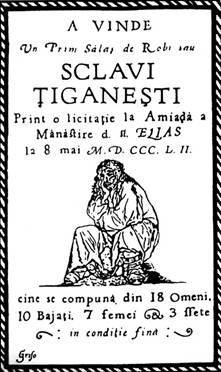
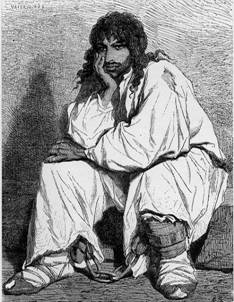
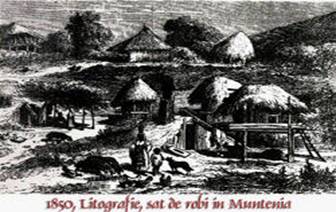
In Moldavia and Wallachia, a large part of the Roma population lived for roughly five centuries in conditions of slavery. Roma could be the property of:
- the state;
- the ruling prince;
- monasteries;
- boyars (the landowning nobility);
- private individual owners.
They were divided into three legal categories:
- Crown or state Roma
- “Țiganii domnești” — the property of the ruling prince or of the state.
- Monastery Roma
- “Țiganii mănăstirești” — the property of monasteries and religious institutions.
- Boyar Roma
- “Țiganii boierești” — the property of boyars and private landowners.
Roma could be sold, bought, given as gifts, inherited, or transferred between owners; families could be, and often were, separated in the process. Roma slavery was a legal and economic institution upheld for centuries, regulated by customary law and later codified in the legal codes issued by the Phanariote princes — such as the Caragea and Calimach Codes of the early 19th century.
By the time of final abolition, the numbers involved were enormous. When emancipation was completed in 1857, there were 33,267 newly-freed Roma families in Wallachia alone — 6,241 of them formerly belonging to the state and 12,081 to the Church, with the remaining roughly 14,945 families having belonged to boyars. In Moldavia, an estimated further 20,000 families were freed.
Sources
- Council of Europe, Factsheets on Romani History (opens in a new tab)
- Europeana, “Roma slavery in Romania — a history”
- Wikipedia, “Slavery in Romania”